

Domestic Violence
Domestic violence is a pattern of abusive and controlling behavior that one partner uses against another in an intimate relationship. It can be physical, sexual, verbal, emotional and financial. Abuse includes isolation, intimidation, privilege, blaming/gas lighting, use of children, coercion and threats.
What is Domestic Violence?
10 Signs of an Unhealthy Relationship
Constant criticism or put-downs
They regularly insult you, mock your appearance, or make you feel worthless—often disguised as "jokes."
Jealousy or controlling behavior
They don’t trust you, get angry when you spend time with others, or try to control what you wear, say, or do.
Isolation from friends or family
They make it difficult or uncomfortable for you to stay connected to your support system.
Blaming you for their actions
They refuse to take responsibility and say it’s your fault they yelled, hit, or acted out.
Pressuring you into sex or decisions
They push you to do things you’re not comfortable with sexually, financially, or emotionally and don’t respect your "no."
Monitoring your phone or social media
They demand access to your messages, track your location, or criticize your posts and who you interact with.
Explosive temper or unpredictable mood swings
Their moods shift quickly—what’s calm one minute may turn to rage the next, keeping you walking on eggshells.
Threats to hurt you, themselves, or others
They use threats of violence, suicide, or harm to others as a way to manipulate or control you.
Gaslighting: making you doubt your reality
They deny things they said or did, twist the truth, or make you feel like you’re overreacting or “crazy.”
You feel afraid, anxious, or “on edge”
You’re constantly worried about upsetting them, changing your behavior just to stay safe or keep the peace.
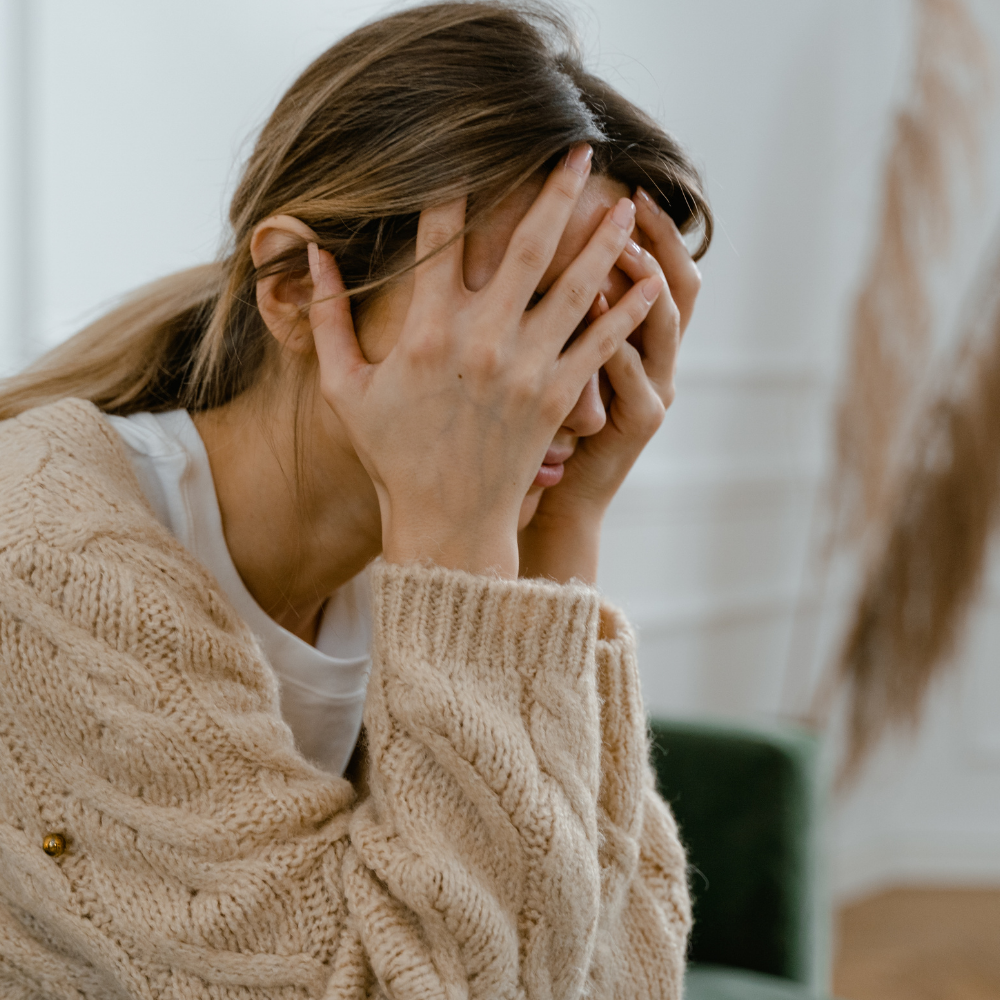
It can be heartbreaking to watch someone you care about go through abuse. You may feel helpless, scared for their safety, or unsure of what to say or do. But your support matters more than you might realize.
Here’s how you can help:
Believe them. If someone confides in you, listen without judgment. Let them know you believe them and that the abuse is not their fault.
Stay connected. Isolation is a common tool of abuse. Your consistent presence, whether by text, phone, or in person, can make a powerful difference.
Avoid pressure. Don’t force them to leave or take action before they’re ready. Instead, remind them they have options and you’ll be there no matter what.
Know the resources. TESSA can help. Whether your loved one needs shelter, legal support, counseling, or just someone to talk to, we’re here.
Reach out yourself. You don’t have to have all the answers. If you’re worried about someone, call us. We can help you figure out how to safely support them.
Call TESSA’s 24/7 Safeline at (719) 633-3819 to speak confidentially with an advocate.
You don’t have to do this alone. And neither do they.
“I know someone experiencing domestic violence.”
Hear from Survivors
Every story shared is a powerful reminder that healing is possible. In these videos, courageous survivors open up about their experiences with domestic violence, sexual assault, and their journey toward safety and hope with support from TESSA.